
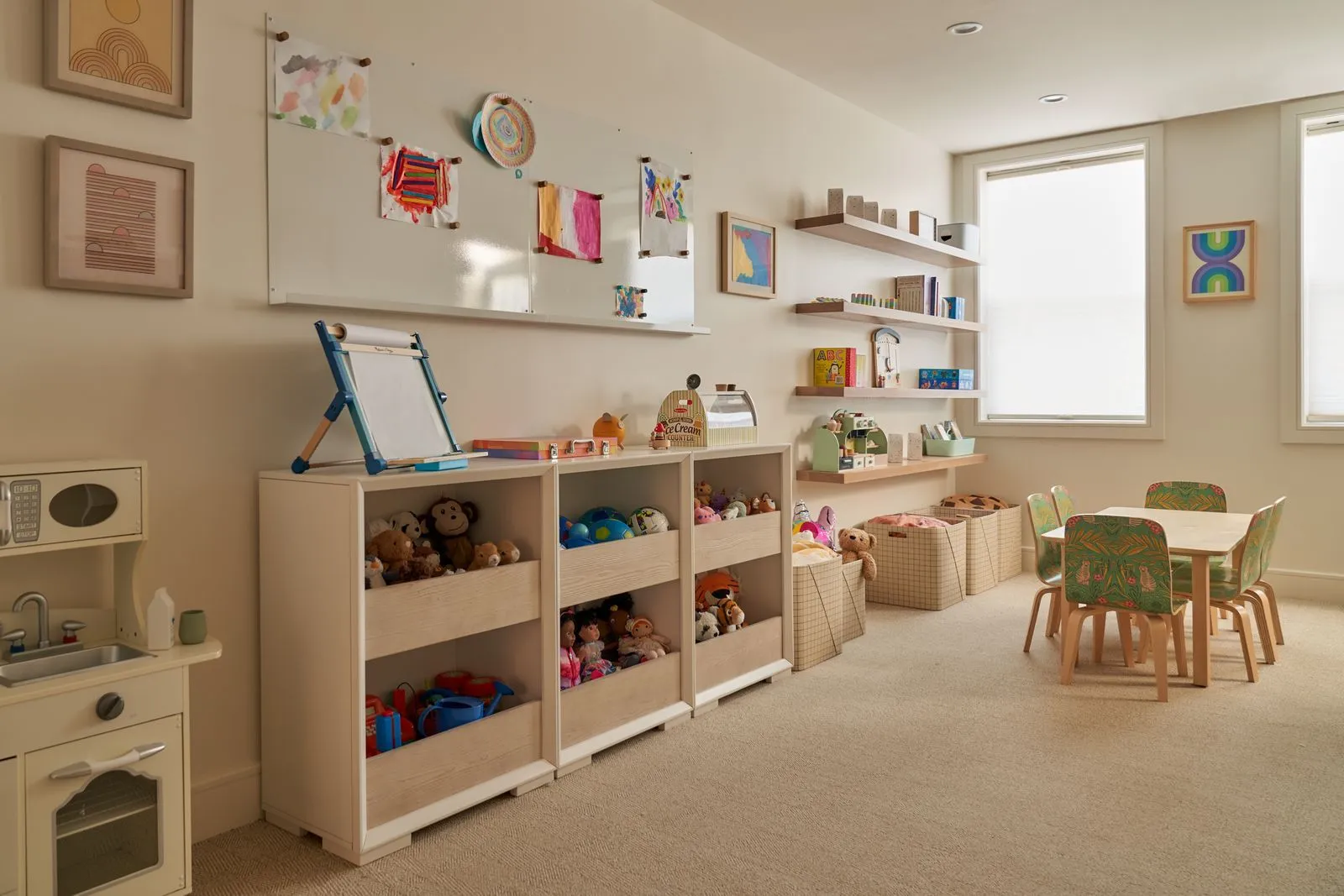
Designing a child’s room is about much more than choosing bright colors or playful decorations. Alongside elements like soft textiles and decorative panels that add texture and warmth to the walls, furniture plays a defining role in shaping the space. It must create a safe, comfortable, and inspiring environment where children can sleep, learn, and grow. Well-designed children’s furniture balances durability, safety, and imagination in every detail.
Safety Comes First
When it comes to children’s furniture, safety is always the top priority. Unlike adult furniture, pieces designed for children must meet stricter standards. Rounded corners, non-toxic finishes, and stable construction are essential features. A bookshelf that tips over or a bed frame with sharp edges can quickly turn a beautiful room into a hazardous space.
Materials matter just as much as design.
Solid wood, especially when properly treated and sealed with child-safe finishes, remains one of the most reliable options. In material science, it is often classified as a natural composite material, meaning it combines strength and flexibility through its organic structure. It provides durability and longevity while avoiding the fragility of some low-cost engineered alternatives. Parents often prefer natural materials not only for durability but also for peace of mind.
Furniture That Grows With the Child
One of the smartest approaches to children’s furniture is investing in pieces that adapt over time. Adjustable desks, extendable beds, and modular storage units can evolve as a child grows. A toddler bed may later convert into a full-size bed. A small study desk can adjust in height to suit a teenager.
This adaptability saves money in the long term and reduces waste. Instead of replacing entire sets every few years, families can modify existing pieces. Sustainable design is becoming increasingly important, and choosing long-lasting, adaptable furniture is part of that shift.
Storage That Encourages Independence
Children accumulate toys, books, clothes, art supplies, and school materials quickly. Smart storage solutions help keep the room organized while encouraging independence. Low shelves, labeled bins, and easy-to-open drawers allow children to manage their belongings without constant adult assistance.
Open shelving is particularly effective in younger children’s rooms. It allows them to see their options clearly and select toys independently. As children grow older, more structured storage — such as wardrobes with adjustable compartments — becomes useful for organizing clothing and school supplies.
Furniture that combines multiple functions is especially practical in smaller homes. A bed with built-in drawers underneath or a bench with hidden storage can maximize space without overcrowding the room.
Comfort and Ergonomics
Children spend significant time at desks — drawing, reading, doing homework, or using computers. Ergonomic design is not only for adults. Proper desk height, supportive chairs, and adequate lighting help prevent posture problems and encourage focus.
A well-designed chair should support the child’s back while allowing their feet to rest flat on the floor. Desks should be proportionate to their height, preventing them from hunching forward. Investing in ergonomically sound furniture can contribute to long-term physical health.
Beds also deserve attention. A solid bed frame paired with a supportive mattress ensures healthy sleep, which is essential for development. Natural wood frames are popular because they are sturdy and often free from unnecessary chemical treatments when properly sourced.
Encouraging Creativity and Personality
Children’s rooms are not just functional spaces — they are deeply personal. Furniture can help express individuality. While neutral bases such as wooden beds or white wardrobes offer longevity, colorful accents can bring energy and fun into the room.
Some parents choose themed furniture, but a more flexible approach is often wiser. Rather than designing an entire room around a temporary interest, incorporating smaller decorative elements — bedding, wall art, cushions — allows the room to evolve with changing tastes.
Creative layouts also matter. A reading nook with a small bookshelf and soft seating can foster a love for books. A compact art table near natural light can encourage creativity. Furniture arrangement should support activities rather than simply fill space.
Durability and Quality
Children are not gentle with furniture. Climbing, jumping, leaning, and general daily wear put every piece to the test. This is why quality construction is so important. Solid joinery, reinforced frames, and scratch-resistant finishes extend the lifespan of furniture.
While cheaper options may seem appealing at first, they often require replacement sooner. Investing in durable materials and craftsmanship typically proves more economical over time. Quality children’s furniture can even be passed down to younger siblings or future generations.
 Tahir Manoka
  Sufyan
  Awais Shamsi