
Two parts with identical geometry can behave very differently on the machine if one is aluminum and the other is stainless steel, titanium, or plastic. Material affects cutting forces, heat, chip control, tool wear, achievable finish, and the way a component moves after clamping. When specifying CNC milling, choose the grade for service requirements while recognizing its manufacturing consequences. CSMolding lists a broad range of metals and engineering plastics for custom milled parts.
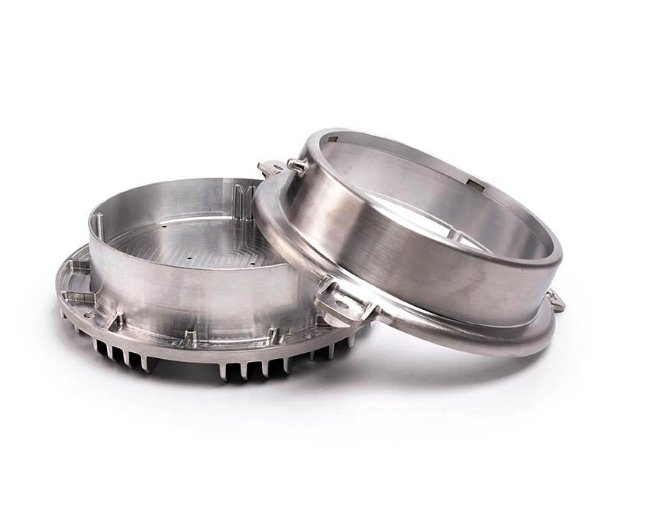
Aluminum rewards efficient removal
Many aluminum alloys machine readily and offer a useful strength-to-weight balance, which is why they appear so often in housings, brackets, fixtures, and electronics. They can also accept finishes such as anodizing or bead blasting. For a heavily pocketed prototype, aluminum may enable rapid material removal while keeping the component light.
Grade still matters. High-strength alloys can be appropriate for structural use, while other grades prioritize corrosion behavior, formability, or cost. State the exact alloy and temper when those properties are part of the test.
Tougher metals change the tradeoffs
Stainless steels offer corrosion resistance and strength but can demand careful speed, feed, cooling, and tool selection. Titanium’s high specific strength and temperature performance make it valuable in demanding applications, yet it is not a casual substitute for aluminum. Brass and copper bring their own combinations of machinability, conductivity, weight, and surface behavior.
The important lesson is not that one material is “hard to machine.” It is that material should be included in DFM decisions about thin walls, deep features, finishes, and tolerance.
Plastics need a different mindset
Engineering plastics can provide electrical insulation, low friction, chemical resistance, or low mass. They may also be more sensitive to heat, moisture, or residual stress. A very tight tolerance copied from a metal drawing may not make sense for the polymer’s behavior or the assembly’s actual needs.
For an early prototype, consider what the build must validate. If the goal is pure geometry, a readily machinable substitute may be sufficient. If the goal is wear, thermal performance, stiffness, chemical compatibility, or final assembly behavior, use the intended material.
Choosing material and process together produces better decisions than treating stock as a late purchasing detail. The right grade supports the product’s function while giving manufacturing a realistic path to stable dimensions, good surfaces, and predictable cost.
 Spero agency
  Khizar
  Sky Bloom INC