
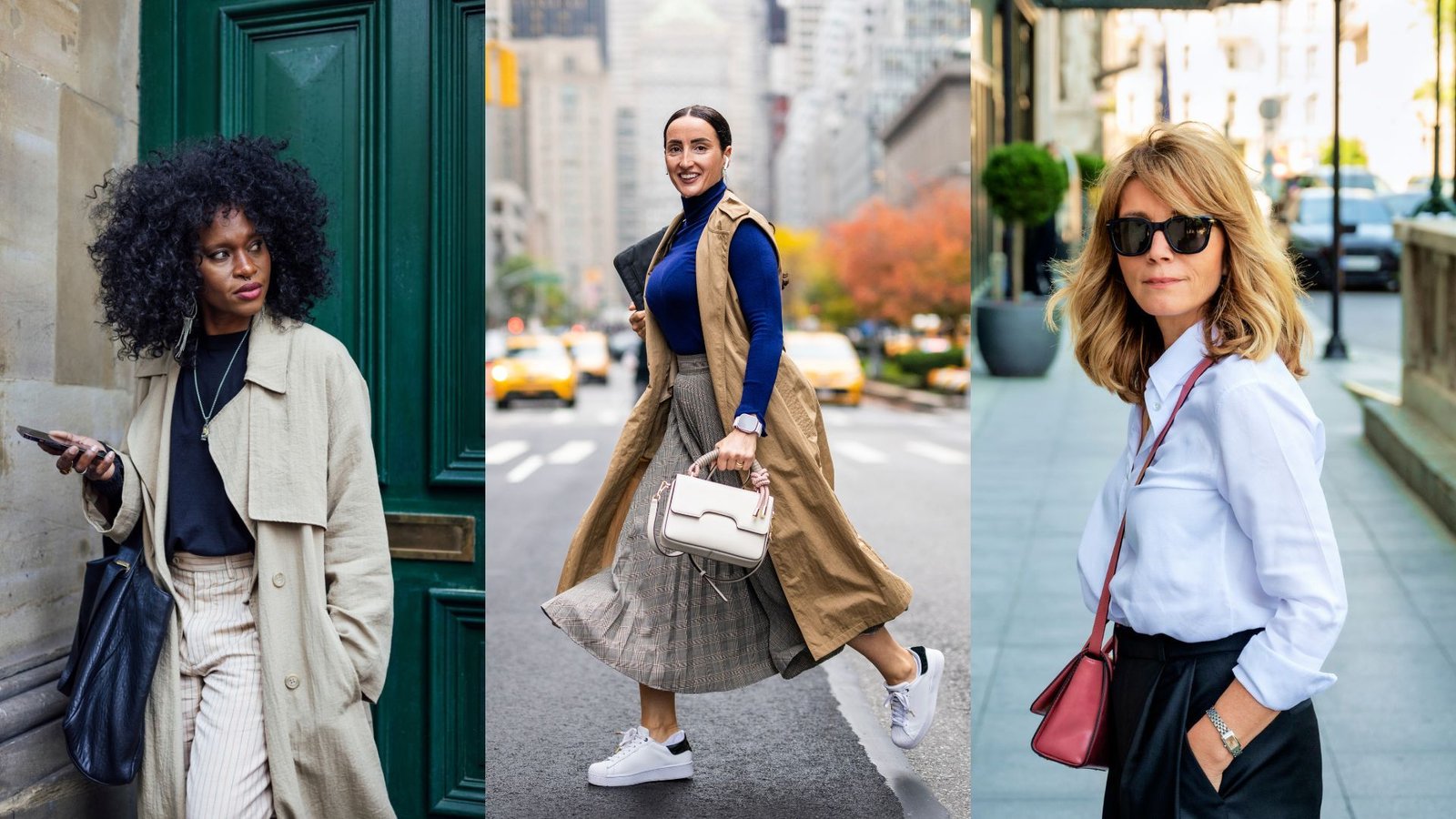
Clothing is one of the most important elements of everyday life. Beyond providing protection from environmental conditions, clothing represents personality, culture, and social identity. Throughout history, garments have evolved from simple protective wear into sophisticated fashion statements that reflect creativity and personal taste.
Today, the clothing industry is a massive global market that constantly changes with new trends, fabrics, and design techniques. From casual outfits to formal wear, every type of clothing serves a different purpose while allowing individuals to express themselves through fashion.
Understanding the various types of clothing and their roles can help people build a functional and stylish wardrobe that suits different occasions and lifestyles.
Casual Clothing: Comfort Meets Style
Casual clothing is the most common type of apparel worn in daily life. Designed for comfort and convenience, casual outfits are suitable for activities such as shopping, meeting friends, traveling, or relaxing at home.
Popular casual clothing items include t-shirts, jeans, hoodies, sweatshirts, and sneakers. These garments are typically made from comfortable materials such as cotton, denim, or soft fabric blends that allow flexibility and breathability.
Over time, casual clothing has evolved from simple everyday wear into an important part of fashion culture. Designers now experiment with colors, prints, and innovative materials to create casual outfits that are both comfortable and stylish.
Many people prefer casual clothing because it allows them to express individuality without sacrificing comfort. Whether someone chooses minimalist neutral colors or bold graphic prints, casual wear offers endless possibilities for personal style.
Formal Clothing: Professional and Elegant
Formal clothing represents sophistication, professionalism, and elegance. It is often worn in business environments, official meetings, weddings, and special events where a polished appearance is important.
Typical formal clothing includes suits, dress shirts, blazers, ties, evening gowns, and formal shoes. These garments are usually made from higher-quality fabrics such as wool, silk, or premium cotton.
In professional settings, formal clothing helps create a strong first impression. A well-tailored suit or an elegant dress can communicate confidence, competence, and attention to detail.
Modern fashion designers are also introducing contemporary elements into formal wear. Slim-fit suits, creative textures, and modern color palettes are making formal clothing more stylish while maintaining its traditional elegance.
Sportswear and Active Clothing
Sportswear is designed specifically for physical activities and athletic performance. These garments focus on comfort, flexibility, and functionality.
Common sportswear items include running shorts, leggings, athletic t-shirts, tracksuits, and training shoes. The fabrics used in sportswear are often lightweight and breathable, helping regulate body temperature during exercise.
Technological advancements in textile production have improved sportswear significantly. Moisture-wicking fabrics, stretchable materials, and temperature-regulating designs help athletes perform more effectively.
Sportswear has also influenced everyday fashion through the rise of athleisure. Athleisure combines athletic clothing with casual fashion, allowing people to wear comfortable sports-inspired outfits in everyday settings.
For example, leggings paired with oversized hoodies or sneakers worn with casual jeans have become common fashion trends in many parts of the world.
Seasonal Clothing for Different Weather
Clothing choices often change depending on the season and climate. Seasonal clothing helps individuals stay comfortable while adapting to changing weather conditions.
Winter clothing typically includes jackets, coats, sweaters, scarves, gloves, and boots. These garments provide insulation and protect the body from cold temperatures.
During summer, lightweight and breathable fabrics become essential. Cotton shirts, shorts, skirts, and sandals allow airflow and prevent overheating in warm weather.
Layering is another important concept in seasonal fashion. By combining multiple clothing layers, people can adjust their outfits easily when temperatures change throughout the day.
Cultural and Traditional Clothing
Clothing also reflects cultural heritage and traditions. Many cultures have unique garments that represent their history, values, and artistic expression.
Traditional clothing is often worn during festivals, ceremonies, and cultural celebrations. These garments frequently feature intricate embroidery, vibrant colors, and symbolic patterns that represent cultural identity.
For example, traditional garments in different regions of the world are designed according to climate, cultural customs, and historical influences. These designs continue to inspire modern fashion designers who incorporate traditional patterns and fabrics into contemporary clothing collections.
This blending of tradition and modern fashion creates unique styles that celebrate cultural diversity.
Technology and the Evolution of Clothing
Technology has had a major impact on the clothing industry. Digital design tools allow designers to create detailed clothing patterns and experiment with new styles before production begins.
Online shopping has also transformed the way people buy clothing. Consumers can browse thousands of styles, compare prices, and read product reviews without visiting physical stores.
Virtual fitting technologies and size guides help customers select clothing that fits properly, making online shopping more convenient.
Digital marketing strategies play a key role in promoting clothing brands. Online advertisements, influencer collaborations, and promotional campaigns help companies reach wider audiences. In various digital lifestyle discussions and promotional environments, audiences may occasionally encounter references to offers similar to a best crypto casino bonus, demonstrating how marketing strategies across different industries often share similar promotional approaches.
Sustainable Clothing and Ethical Fashion
Sustainability has become a major focus in the modern clothing industry. Many fashion brands are working to reduce environmental impact by using eco-friendly materials and responsible manufacturing processes.
Sustainable clothing includes garments made from organic cotton, recycled fabrics, and biodegradable materials. These initiatives aim to reduce pollution, conserve resources, and promote ethical labor practices.
Consumers are also becoming more aware of sustainable fashion choices. Buying durable clothing, supporting ethical brands, and recycling old garments are ways individuals contribute to a more responsible fashion industry.
Second-hand clothing markets and clothing rental services are also growing as alternatives to fast fashion.
Building a Practical and Stylish Wardrobe
Creating a versatile wardrobe requires balancing different types of clothing. Casual outfits provide everyday comfort, formal attire ensures professionalism, and seasonal clothing helps adapt to changing weather conditions.
Investing in timeless pieces such as classic jeans, neutral shirts, and well-tailored jackets allows individuals to create multiple outfits with fewer garments.
Quality clothing often lasts longer and maintains its appearance over time, making it a better investment compared to fast fashion items.
Ultimately, clothing is much more than fabric and design. It reflects creativity, culture, and individuality. By understanding different clothing types and fashion trends, people can make thoughtful choices that enhance their personal style while meeting practical everyday needs.
 Admin
Admin  Khizar
  Sky Bloom INC